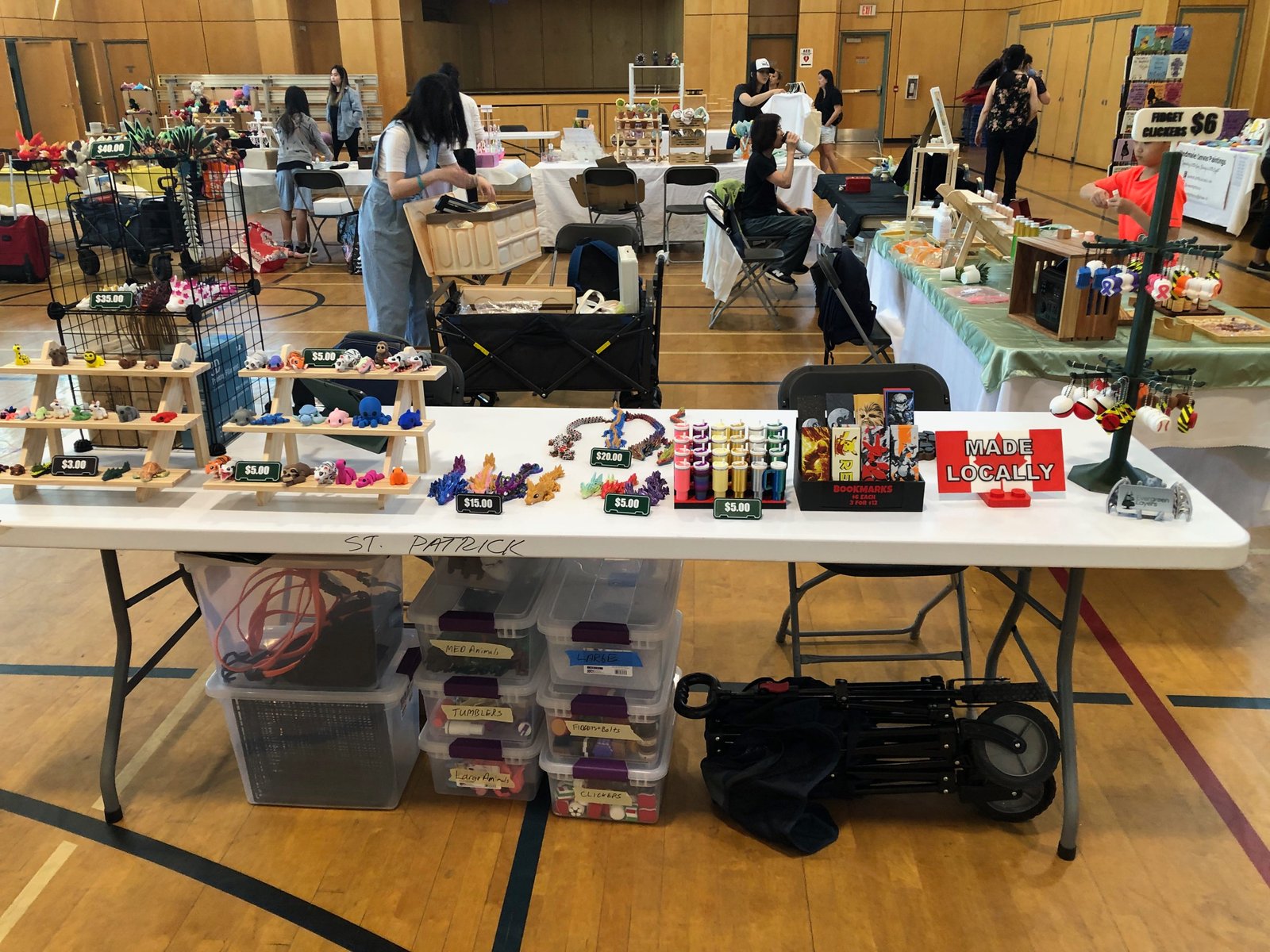
How to Clean 3D Printed Toys (Without Ruining Them)

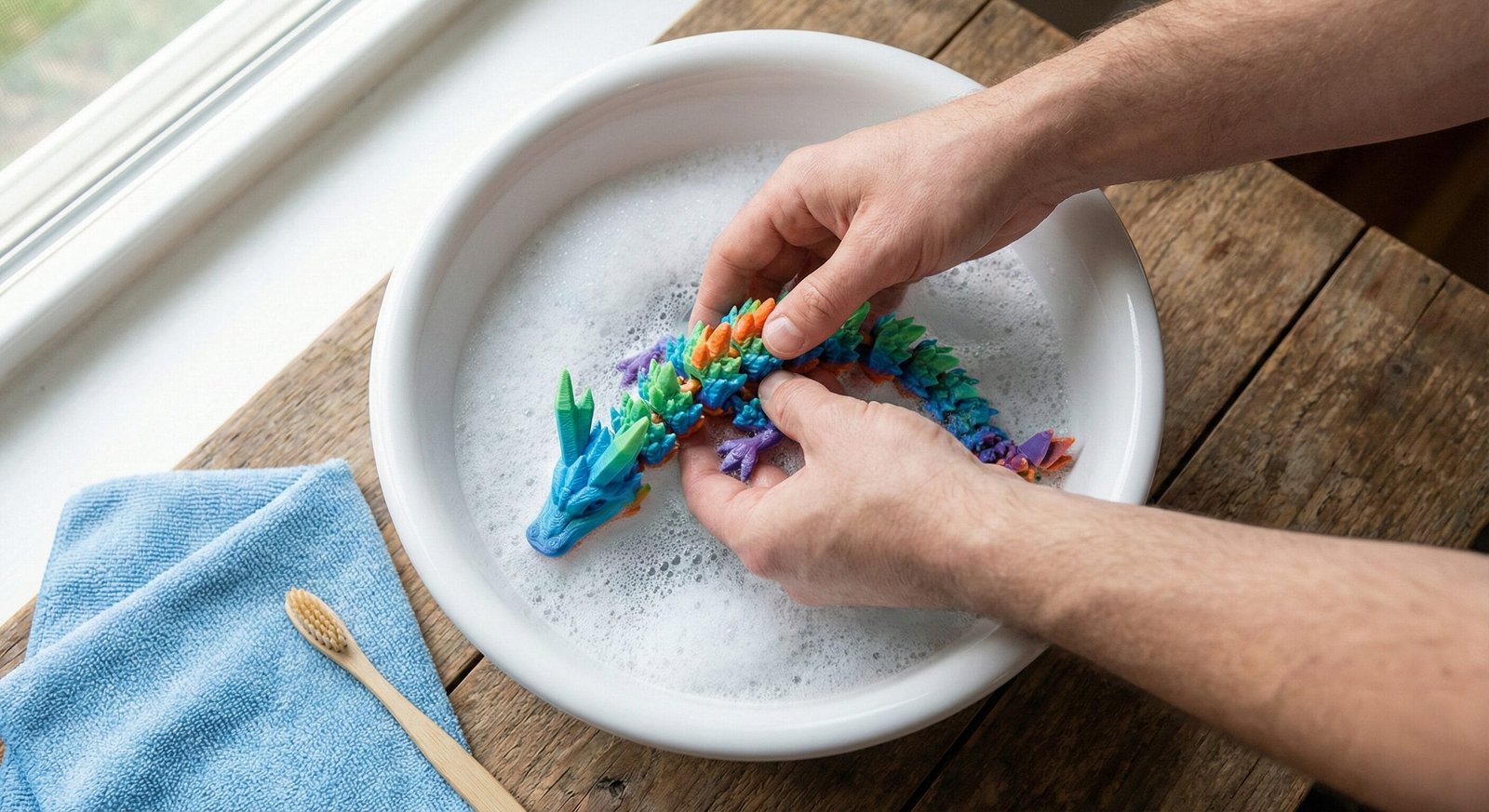
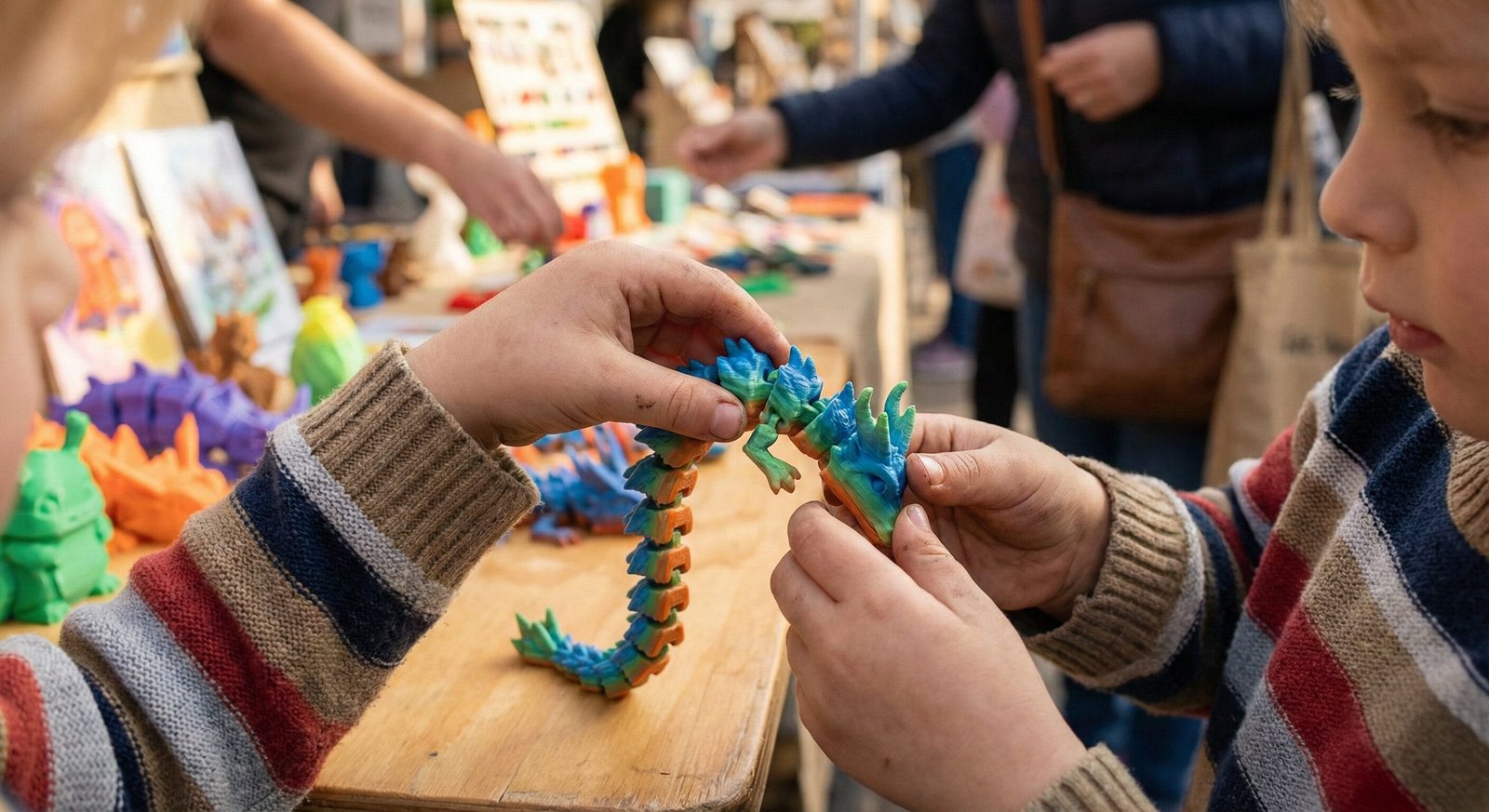
Your kid’s favorite articulated dragon just came back from an epic playground adventure, and now it’s covered in sand, dirt, and what might be dried juice. You want to clean it, but you’re also wondering: can I just throw this in the sink? Will I break those cool moving joints? Is there a “right” way to do this?
Good news: 3D printed toys are surprisingly durable, and learning how to clean 3D printed toys properly is actually pretty straightforward. With a little care and the right approach, you can keep those dragons, dinosaurs, and fidget creatures looking great through countless adventures. This guide will walk you through everything from quick everyday cleaning to handling stubborn messes, plus tips on storage, caring for articulated joints, and what to do if something breaks.
Whether you’ve got one treasured toy or a whole collection, a few simple habits will keep them in great shape for years of play.
Understanding Your 3D Printed Toy’s Material
Before we dive into cleaning methods, it helps to know what you’re working with. Most consumer 3D printed toys — including ours — are made from PLA (polylactic acid), which is a plant-based plastic. It’s durable, non-toxic, and generally very kid-safe, which is why it’s the go-to material for toys.
But PLA does have a few quirks. It’s somewhat temperature-sensitive, meaning it doesn’t love extreme heat. Leaving a toy in a hot car on a summer day or running it through the dishwasher can cause warping or softening. Extended direct sunlight can also affect it over time, causing fading or slight deformation.
The good news? For normal play and cleaning, PLA holds up beautifully. Understanding these basics just means you’ll avoid the few things that could cause problems and focus on care methods that work perfectly and know exactly how to clean 3D printed toys safely..
Basic Cleaning: How to Clean 3D Printed Toys Daily
For regular dirt, dust, and the general grime that comes with being a well-loved toy, the cleaning process is refreshingly simple: warm water and mild soap.
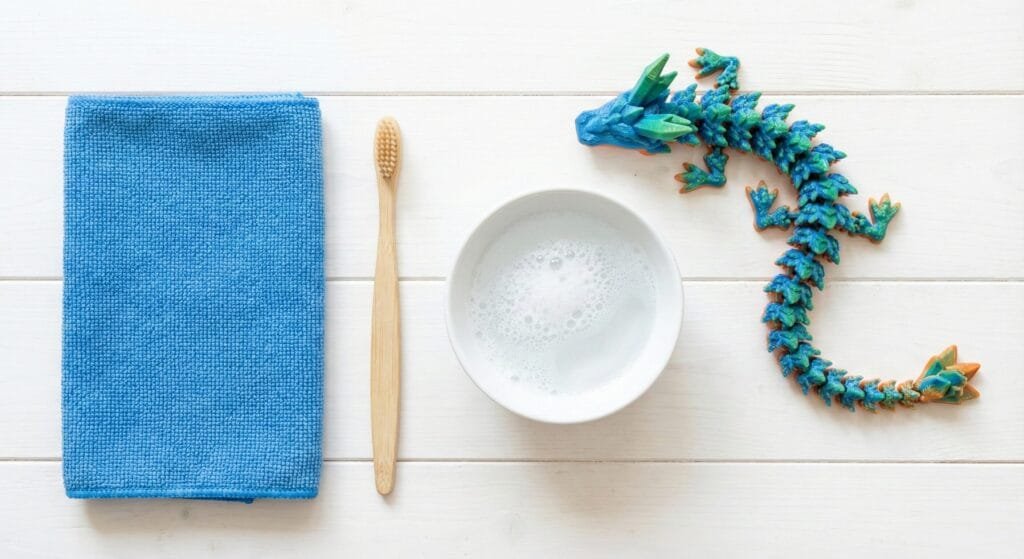
Here’s the step-by-step:
- Fill a bowl or sink with warm (not hot) water and add a small squirt of mild dish soap
- Gently submerge the toy and use your hands or a soft cloth to wipe away dirt
- For detailed areas or textured surfaces, a soft-bristle toothbrush works great for getting into crevices
- On articulated toys, gently move the joints while cleaning to flush out any debris caught in the mechanisms
- Rinse thoroughly with clean water to remove all soap residue
- Pat dry with a soft towel, then let it air dry completely before putting it away
What to avoid: harsh chemical cleaners, abrasive scrubbers (like steel wool), and hot water that could soften the plastic. Also skip the dishwasher entirely — the heat cycle is a no-go for PLA.
A quick wipe-down after messy play sessions and regular dusting when toys are on display will prevent most deep-cleaning needs.
Deep Cleaning: When Things Get Really Dirty
Sometimes warm water and soap just aren’t enough. When figuring out how to clean 3D printed toys with stubborn messes, you need a slightly different approach. Maybe there’s sticky candy residue, marker that “accidentally” ended up on the toy, or playground gunk that’s really cemented itself in there.
For these situations, 70% isopropyl alcohol is your friend. Dampen a cloth or cotton swab with the alcohol and gently work on the problem spot. This is particularly effective for sticky residues and can help sanitize without damaging the plastic. Just use it sparingly and in a well-ventilated area.
For articulated toys with really stubborn dirt in the joints, try this: let the toy soak briefly in warm soapy water (5-10 minutes), then use a soft toothbrush to work the joints back and forth while cleaning. This helps dislodge particles without forcing anything.
Sand deserves special mention because it gets everywhere. After a sandbox or beach adventure, give the toy a good rinse first to flush out loose sand, then do the warm soapy water treatment. Moving the joints gently under running water can help clear out grains stuck in crevices.
One important note: if you have a toy with multiple materials or added elements (like eyes or decals), test any cleaning method on a small, inconspicuous area first.
Caring For Articulated Joints
The moving joints on dragons, dinosaurs, and other articulated creatures are what make them special — and they need a little extra attention to keep working smoothly.
Regular, gentle movement actually helps. When joints sit unused for long periods, they can get a bit stiff. Occasionally posing and repositioning your toy keeps everything functioning well. Think of it like stretching.
Watch for signs of wear: joints that feel too loose, too tight, or start offering resistance where they used to move freely. Tight joints might have debris in them (clean as described above), while loose joints are usually from lots of enthusiastic play — which honestly just means the toy is well-loved.
The cardinal rule: never force a joint. If something isn’t moving smoothly, don’t muscle it. Clean it first, move it gently, and if it’s still stuck, it might need a closer look or professional help.
One advantage of print-in-place articulated toys is that there are no tiny screws or connectors to come loose. The joints are designed into the print itself, which means fewer breakage points overall. But they’re still mechanical parts that benefit from thoughtful handling.
Storage Tips To Extend Toy Life
How you store your 3D printed toys between play sessions can make a real difference in how long they stay looking good.
The main enemy is direct sunlight. UV exposure over time can fade colors and, in extreme cases, make PLA brittle. If you’re displaying toys on a shelf, try to keep them out of windows or spots that get intense sun for hours every day.
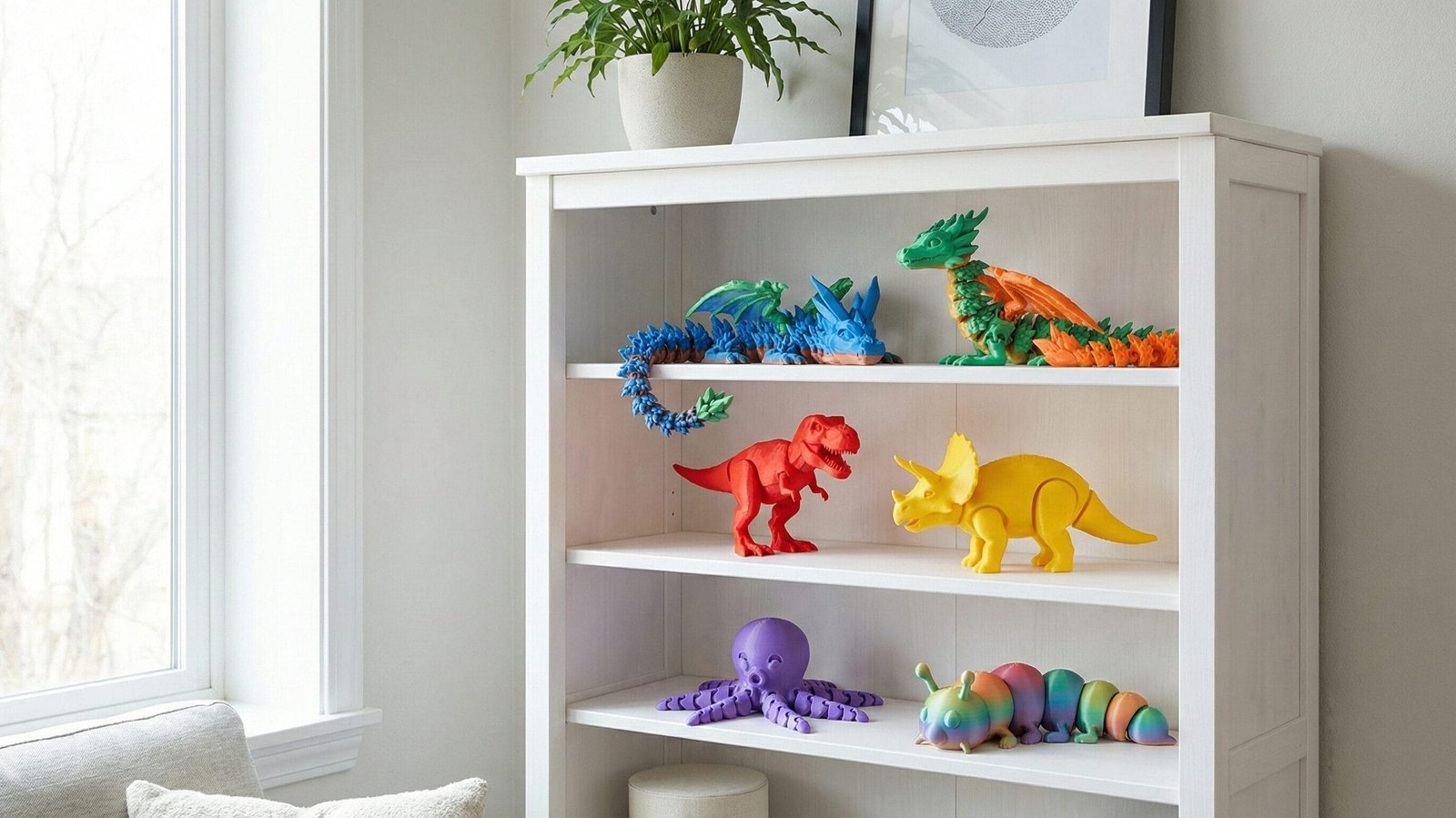
Temperature matters too. Avoid leaving toys in cars during summer (or winter, for that matter). The extreme heat or cold can warp the plastic. Room temperature is your friend.
For storage, breathable containers work better than completely airtight ones — a simple bin or shelf is perfect. If toys are on display, a quick dusting every week or two prevents buildup that would require deeper cleaning later.
When traveling, protect articulated toys by wrapping them in soft cloth or tucking them into a padded section of a backpack. Those joints are durable, but throwing a dragon loose into a bag with hard toys or sharp objects is asking for trouble.
Display and active play are both totally fine — just be aware that toys on display will collect dust, while toys in constant use might show wear faster. Both are valid ways to enjoy them.
What To Do If Something Breaks
Let’s be real: sometimes things break. Kids drop toys, joints get stressed, accidents happen. Here’s what you need to know.
Common break points on articulated toys are usually the thinner joints or delicate features like wings and tails. If you get a clean break on a non-moving part, super glue (cyanoacrylate) can work surprisingly well. Make sure both surfaces are clean and dry, apply a small amount of glue, hold firmly for 30 seconds, then let it cure fully before handling.
Broken joints are trickier. Because they need to move, gluing them usually means sacrificing that articulation. You can try it if you don’t mind the joint being fixed in place, but it won’t function the same way.
Prevention is genuinely easier than repair. Part of learning how to clean 3D printed toys properly is also learning how to handle them to prevent damage. Gentle handling, avoiding drops from height, and not forcing stuck joints will prevent most breakage.
If something does break and you’re not sure how to fix it — or if you want to ask about options — reach out to your maker. We’re happy to offer advice, and sometimes there might be solutions we can suggest based on the specific break.
Keeping Colors Vibrant
3D printed toys come in amazing colors, and with a little care, they’ll stay vibrant for a long time.
The main color-fading culprit is UV exposure from sunlight. If you’re keeping toys on display, position them away from direct sun. For toys that go on outdoor adventures regularly, some fading over time is natural — it’s just part of the journey.
Regular cleaning actually helps maintain appearance too. Dust and grime can make colors look dull, so those quick wipe-downs keep things looking fresh.
Here’s the thing though: we’re big believers that signs of play are signs of a toy that’s truly loved. A little fading, some wear on high-contact areas — that’s not damage, that’s a story. Your kid’s dragon that’s been on a hundred adventures and shows it? That’s exactly what these toys are for.
Toys Are Meant to Be Played With
At the end of the day, knowing how to clean 3D printed toys comes down to a few simple practices: clean them gently with warm water and soap, store them away from extreme temperatures and direct sun, handle articulated joints thoughtfully, and let them be played with.
These toys are built to be durable enough for real childhood adventures. A little basic maintenance keeps them looking good longer, but they’re not precious museum pieces. They’re meant to be posed, carried around, taken on imaginary quests, and yes, occasionally dropped in the sandbox.
We’re local Vancouver makers who design these toys with longevity in mind, but we also design them to be used. So clean them when they need it, care for them reasonably, and then let them do what they do best: spark imagination and bring joy.
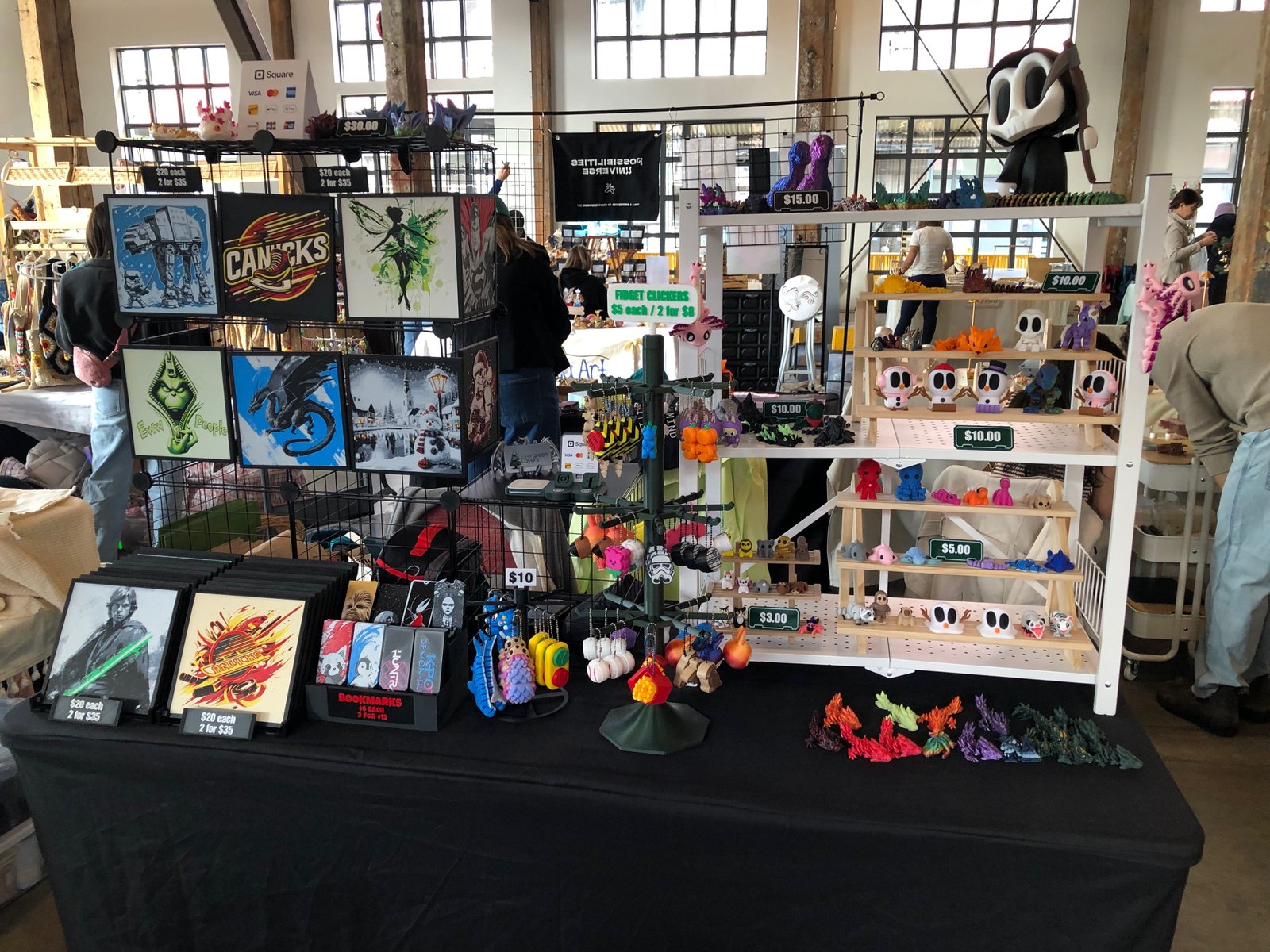
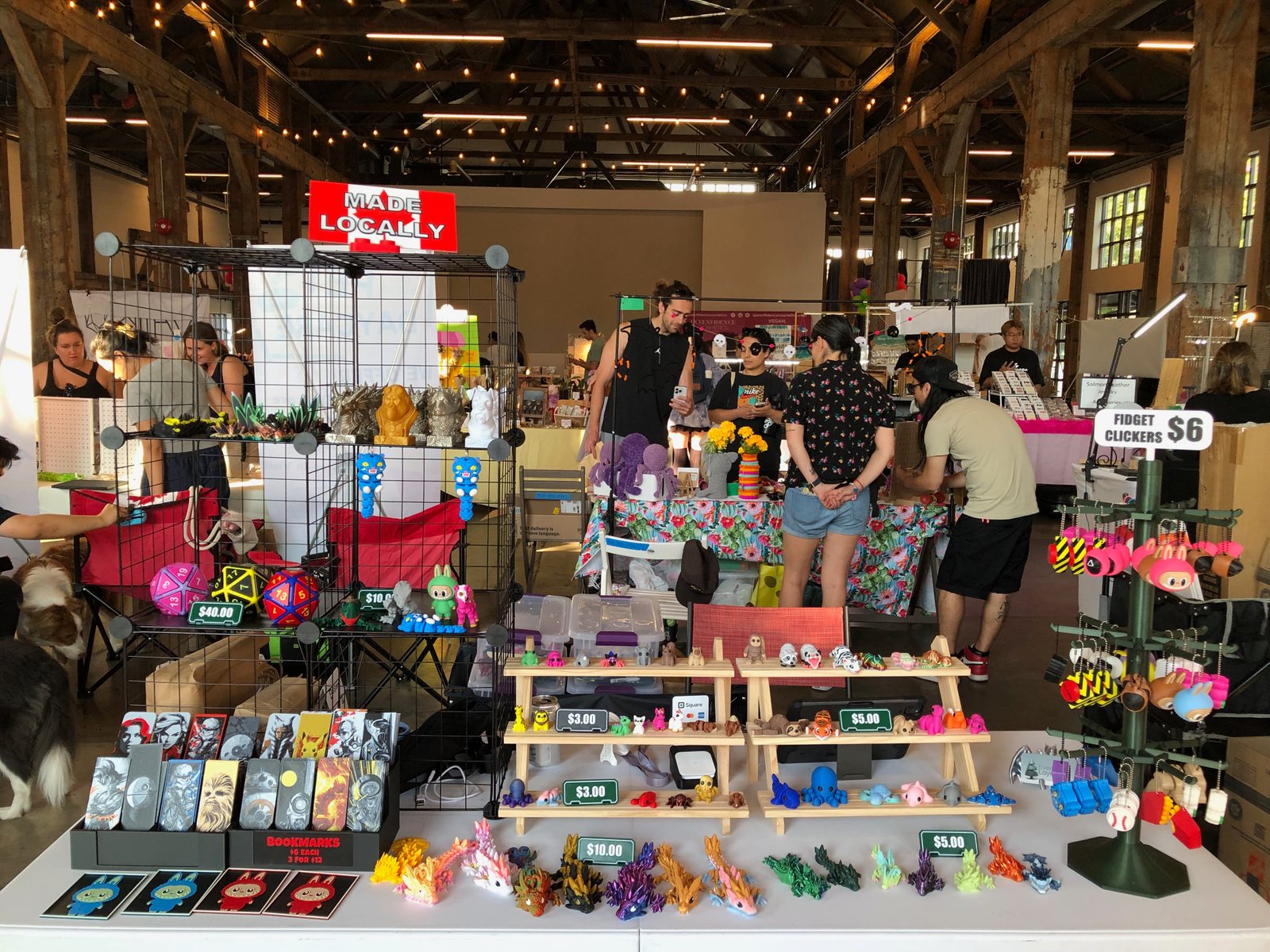
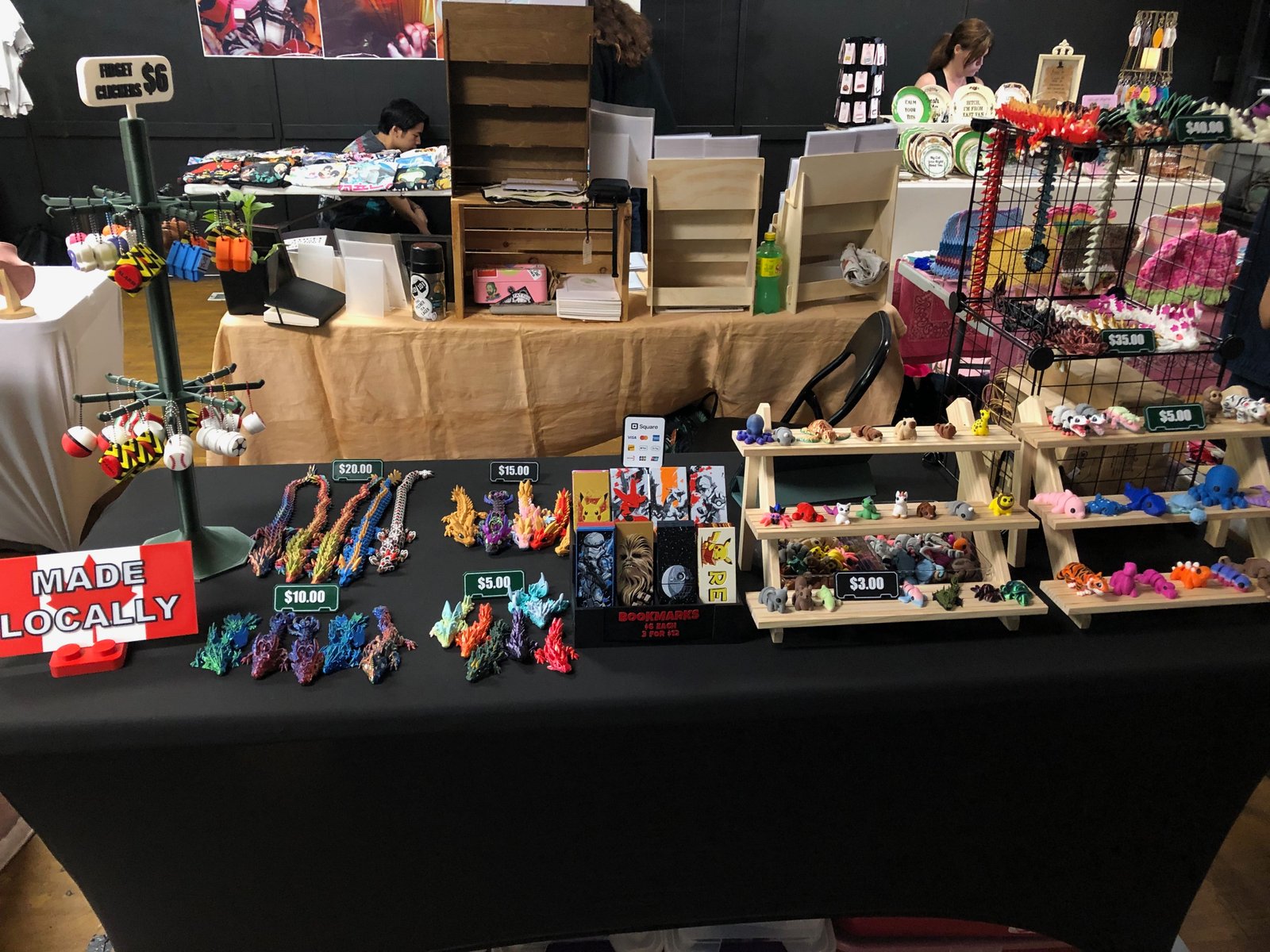
Got specific questions about caring for your 3D printed toys? Feel free to reach out — we’re always happy to help. And if you’re looking for care tips, product updates, or want to know where to find us at upcoming markets, check our website or stop by our booth next time we’re in your neighborhood.